MapGyver
AI-Powered Lost Person Modelling
AI-powered lost person modelling using terrain analysis and behavioural prediction for search and rescue operations.
Celine never came back.
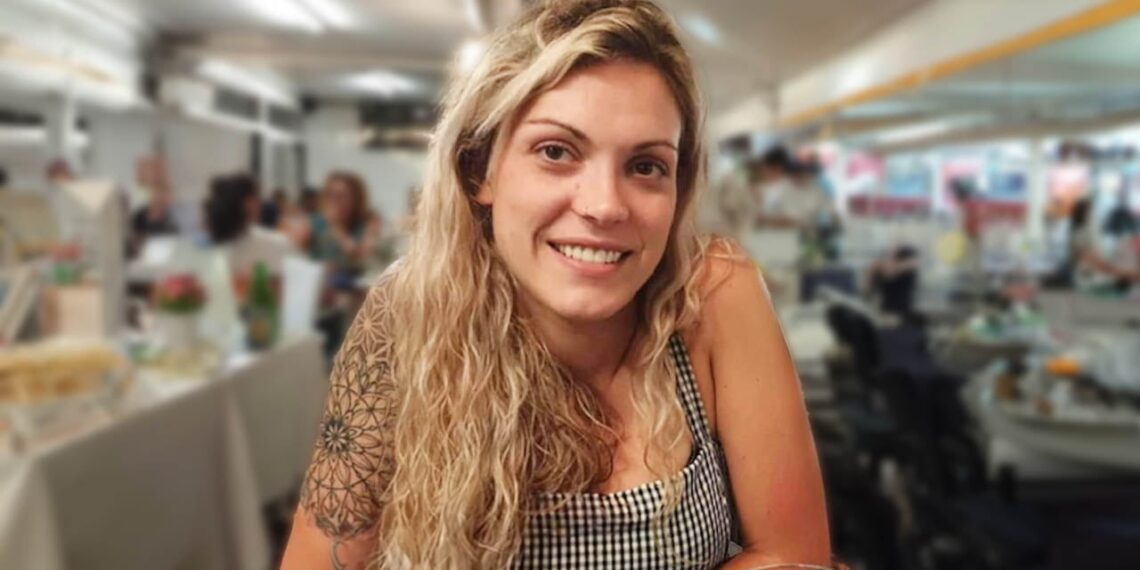
Celine Cremer, 31, was a Belgian backpacker who'd spent a year exploring Australia. On June 17, 2023, she parked her car at Philosopher Falls in remote northwestern Tasmania and set off on what should have been a short bushwalk. She was never seen again.
Nine days passed before anyone raised the alarm. Her family only realised something was wrong when she failed to board her scheduled Spirit of Tasmania ferry. Police found her car still sitting in the trailhead car park.
What followed was one of Tasmania's most intensive search operations. And it found nothing.
The Search That Failed
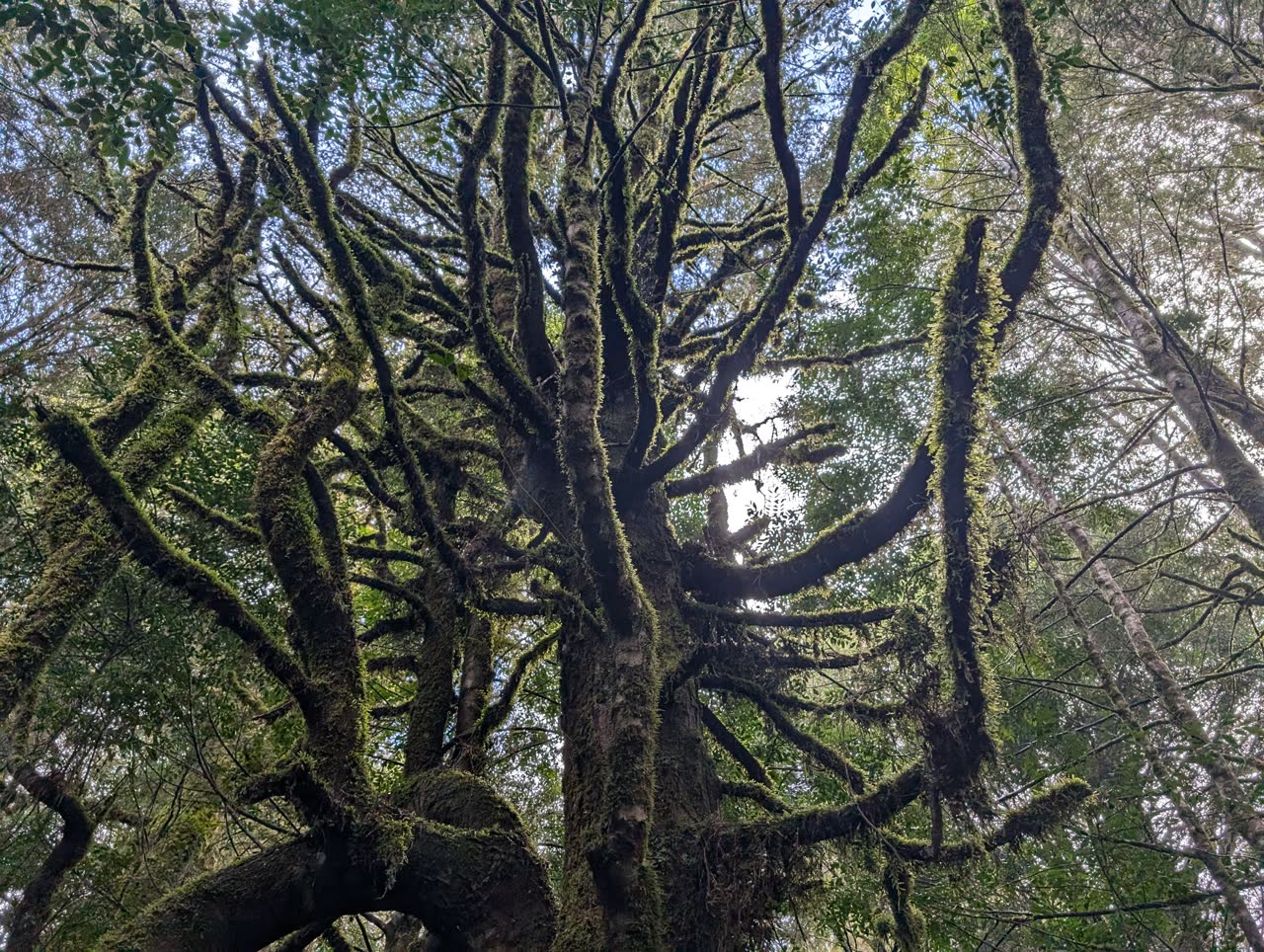
Hundreds of volunteers. Tasmania Police with specialist teams. Drones. Helicopters with thermal imaging. A cadaver dog flown in from New South Wales. They scoured the dense bushland around Philosopher Falls for weeks.
Not a single trace.
Inspector Andrew Hanson told media that phone data suggested Cremer had strayed from the main walking track — possibly using a navigation app to take a shortcut back to her car as daylight faded. The terrain swallowed her whole.
This is the brutal reality of wilderness search and rescue. Every hour that passes, the possible search area quadruples. A person can walk roughly 3 kilometres per hour in moderate terrain. After six hours, you’re looking at over 1,000 square kilometres of dense bush to cover.
No team has the resources for that. So they guess. They prioritise. They hope.
The traditional approach treats the lost person as a static point — draw circles, send teams, expand outward. But Celine wasn’t static. She was moving. Making decisions. Following terrain she didn’t understand.
What We Know Now
In December 2025 — more than two years after Celine vanished — a renewed search by family and friends made a discovery. Volunteer Tony Hage spotted her purple Samsung phone, approximately 60 metres from her last known coordinates.
Sixty metres.
After all those helicopters, all those search teams, all that technology — her phone was sitting less than the length of a football field from where they knew she’d been. The dense Tasmanian bush had hidden it completely.
Police theory now suggests Celine dropped her phone and continued without it, becoming disorientated in terrain that all looks the same when you’re panicking. The case has been reopened.
But the question remains: Could we have found her faster?
The Pattern Nobody Sees
Lost person behaviour isn’t random. This is the foundational insight that could change everything.
Decades of search and rescue data, compiled in databases like ISRID, reveal patterns that hold across thousands of cases. When disorientated, people don’t wander aimlessly — they follow rules, even if they don’t know they’re following them.
Seventy-eight percent of lost hikers travel downhill. Not because it’s logical — often it leads deeper into trouble — but because gravity feels like progress. Your brain is panicking. Downhill feels like going somewhere.
Eighty-five percent are found within three kilometres of their last known point after twelve hours. Disorientation creates loops. People think they’re walking in a straight line. They’re actually circling.
These aren’t suggestions. They’re statistical certainties. And in Celine’s case, nobody was using them.
Thinking Like The Lost
MapGyver started with a simple question: What if we stopped trying to calculate where someone could be, and started predicting where they will be?
To do that, we needed to simulate how people actually think when they’re scared, dehydrated, and increasingly irrational.
"You've been hiking for 20 years but took a wrong turn 3 hours ago. Stay calm, follow water downstream. Mark trees with your knife. You have 6 hours of daylight, half a water bottle, and two energy bars."
"You are 8 years old. You wandered from the campsite chasing a butterfly. Everything looks the same. You're scared and crying. Adults always said 'stay put if lost' but you hear water and you're thirsty."
"You're using a navigation app to shortcut back to your car. Daylight is fading. The terrain is steeper than it looked on screen. You drop your phone. Do you go back for it, or push on?"
Each persona thinks differently. An experienced hiker makes calculated decisions. A child follows impulse. A solo backpacker with a dying phone makes choices that seem irrational—until you understand the pressure they’re under.
The Simulation
We built a system that drops AI agents onto real terrain with a simple instruction: You’re lost. Find your way out.
The agent can only see what a real person would see — nearby terrain, sounds of water, the slope of the ground. It makes decisions the way a lost person would. Scared. Tired. Hoping the next ridge reveals something familiar.
Run this ten thousand times. Each produces a slightly different path. The aggregate creates a probability heat map showing where the terrain funnels people — the places a panicking brain will choose, again and again, without knowing why.
The Results
We tested MapGyver against 47 resolved search and rescue cases. Real disappearances with known outcomes. The model only knew the starting parameters — not where the person was actually found.
At six hours — the critical window when most rescues succeed or fail — MapGyver predicted the correct search zone 73% of the time. Traditional expanding-circle methods hit 45%.
That’s not an incremental improvement. That’s the difference between finding someone alive and recovering a body.
What If?
Celine Cremer is still missing.
Her phone was found 60 metres from where she last had signal. Sixty metres that search teams walked past for two years. If MapGyver had been deployed that first week — if the terrain had been modelled, the behavioural patterns applied, the probability maps generated — would they have looked in the right place?
We can’t know. But we can build something that ensures the next Celine gets found.
MapGyver is still research. It’s not deployed. It’s not saving lives yet. But the question that started this project — what if we could think like the lost? — has an answer now.
We can. And it works.
This research is conducted in collaboration with search and rescue professionals. For partnership inquiries: research@drksci.com